- Fortune and Freedom Digest
- Posts
- Unpacking the Numismatic Artistry of U.S. Coins
Unpacking the Numismatic Artistry of U.S. Coins
Showcasing the Craftsmanship Behind Iconic U.S. Coin Designs

Ben Deverger
October 18, 2024
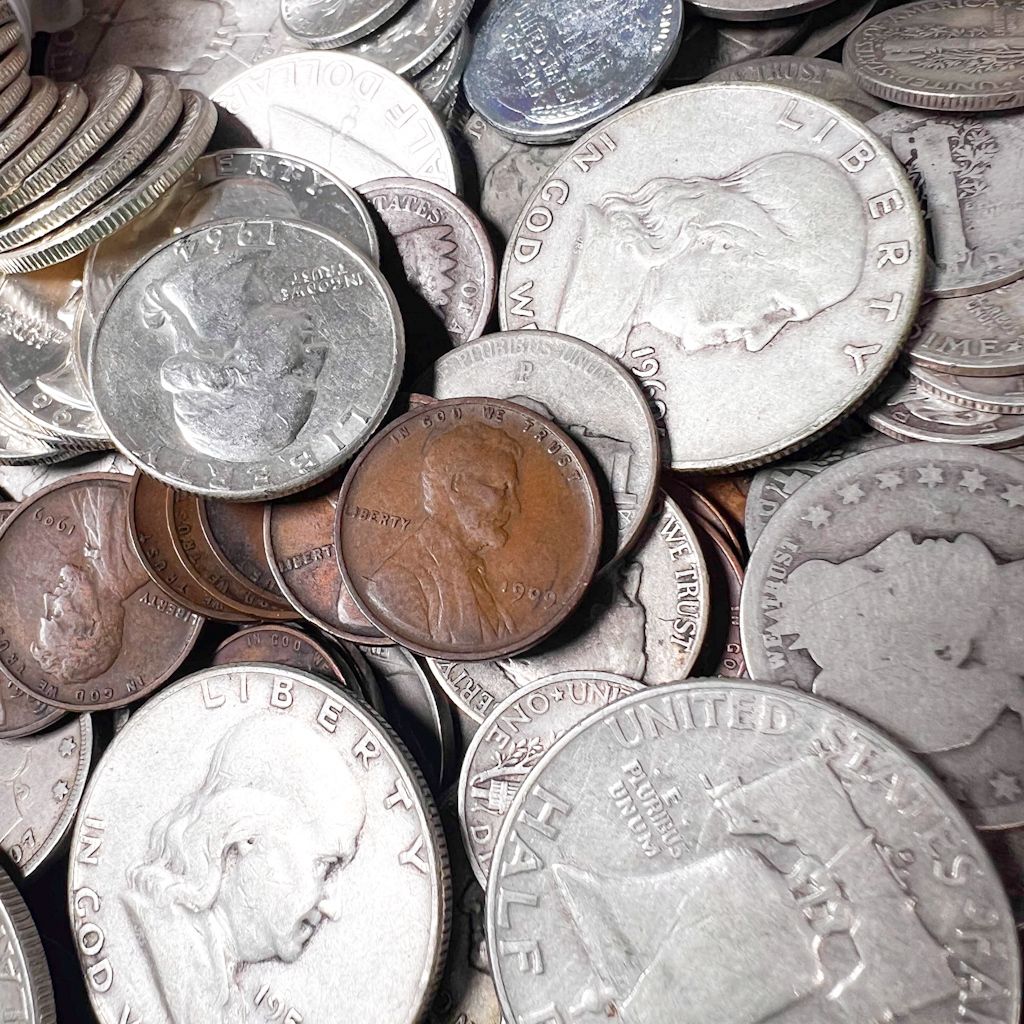
Hi there fellow coin enthusiasts!
The artistry of U.S. coins goes far beyond their function as currency. Each coin is a miniature piece of art, meticulously designed and crafted by talented engravers to capture moments in history, ideals of freedom, and the essence of American identity.
Today, we’ll explore the numismatic artistry that defines some of the most iconic U.S. coins, showcasing the craftsmanship that has shaped these beloved pieces.
Outline For Today
🌟 Overview
🎨 The Art of Coin Design
💎 Iconic Examples of Numismatic Artistry
🔨 The Craftsmanship of Coin Engraving
🌲 Walk in the Woods: Reflecting on the Art of Coins
🚀 Modern Innovations in Numismatic Art
🎉 Celebrating Numismatic Artistry
🌟 Overview
The artistry of U.S. coin design goes beyond its role as currency. U.S. coins are reflections of the country’s history, values, and artistic skill. Whether it’s the depiction of Lady Liberty or the iconic American eagle, these coins are steeped in symbolism, patriotism, and legacy. The intricate details tell stories of the past, brought to life by the skilled engravers of the U.S. Mint.
🎨 The Art of Coin Design
U.S. coin design isn’t just about functionality—it’s about capturing the nation’s ideals in artistic form. Coins like the Walking Liberty Half Dollar or the Peace Dollar are more than money; they are snapshots of America’s evolving identity, infused with symbols of freedom, progress, and unity. The balance of tradition and creativity in these designs reflects the enduring artistry that defines U.S. numismatics.
💎 Iconic Examples of Numismatic Artistry
Walking Liberty Half Dollar (1916–1947)
Designed by Adolph A. Weinman, the Walking Liberty Half Dollar is one of the most beloved U.S. coin designs. Lady Liberty strides confidently toward the rising sun, wrapped in the American flag, carrying branches of laurel and oak. The reverse features a powerful eagle with outstretched wings.
Artistic Highlights: The sense of movement and freedom in Liberty’s figure and the detailed eagle reflect strength and grace.
Legacy: The design was revived for the American Silver Eagle bullion coins, keeping Weinman’s iconic vision alive.
Morgan Silver Dollar (1878–1921)
The Morgan Dollar, created by George T. Morgan, symbolizes the prosperity of the Gilded Age. Lady Liberty’s classical portrait graces the obverse, while the reverse features an American eagle clutching arrows and an olive branch, symbolizing both peace and strength.
Artistic Highlights: The detail in Liberty’s face and the eagle’s bold, dynamic design make this coin a masterpiece of balance.
Legacy: One of the most collected coins, the Morgan Dollar was reissued in 2021 to celebrate its legacy.
Peace Dollar (1921–1935)
Designed by Anthony de Francisci, the Peace Dollar commemorates the end of World War I. Liberty’s youthful and radiant face symbolizes hope, while the reverse shows an eagle at rest, holding an olive branch—a symbol of peace.
Artistic Highlights: The radiant crown on Liberty and the calm, yet powerful eagle capture America’s post-war optimism.
Legacy: This Art Deco-inspired coin remains a timeless symbol of resilience and peace.
Standing Liberty Quarter (1916–1930)
The Standing Liberty Quarter, designed by Hermon A. MacNeil, depicts Liberty holding a shield in one hand and an olive branch in the other, signaling America’s readiness to defend peace. An eagle soars on the reverse.
Artistic Highlights: The flowing robes and detailed shield of Liberty, combined with the soaring eagle, capture the nation’s strength and aspirations.
Legacy: A cherished coin for collectors, the Standing Liberty Quarter stands out for its symbolism and beauty.
🔨 The Craftsmanship of Coin Engraving
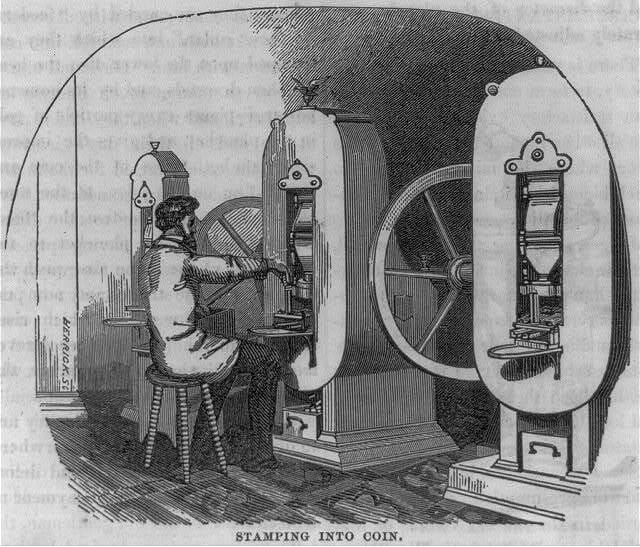
Engraving is the heart of numismatic artistry. From detailed sketches to physical coin designs, U.S. Mint engravers transform intricate drawings into stunning works of art through careful sculpting and die creation. Each coin requires precision and craftsmanship, with engravers using tools to ensure every small detail stands out on the tiny surface of a coin.
From Sketch to Coin: Designers create detailed sketches, later sculpted into clay models or digitally rendered before engraving dies.
Miniature Masterpieces: Working on small surfaces means that engravers must capture every nuance, ensuring each design maintains its artistic integrity on the coin.
🌲 Walk in the Woods: Reflecting on the Art of Coins
Imagine walking through a serene forest, where every leaf, branch, and drop of sunlight adds to a bigger picture—each detail perfectly crafted by nature over time. Coin artistry works in much the same way. Engravers spend countless hours perfecting the smallest details of a coin, from the flow of Liberty’s robes to the feathers of an eagle.
Just as a walk in the woods allows us to appreciate the harmony of nature, pausing to admire a coin’s design can remind us of the artistry behind everyday objects. The craft, precision, and vision required to bring a coin to life mirror the patience and beauty found in nature itself.
🚀 Modern Innovations in Numismatic Art
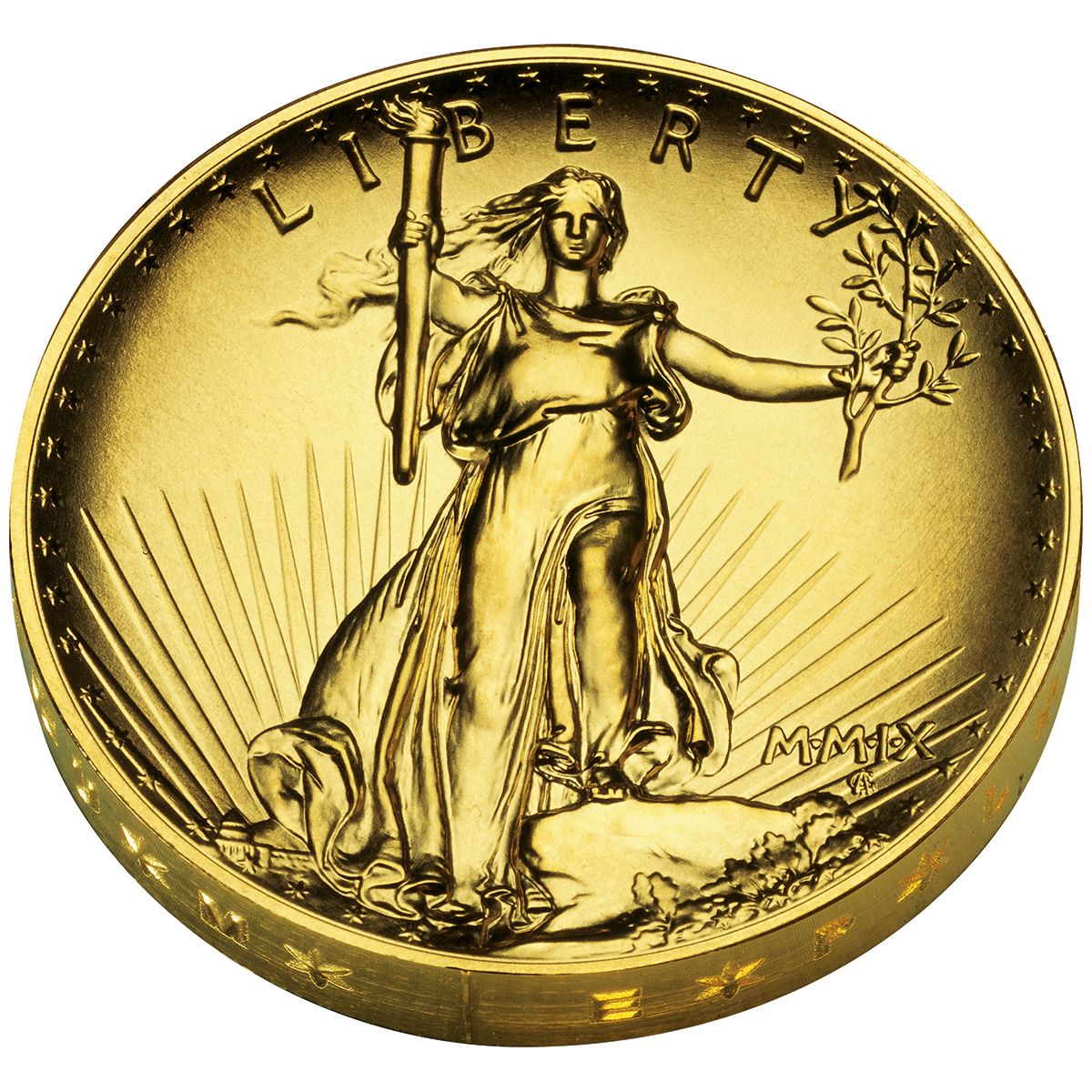
Advances in technology have pushed the boundaries of coin design, making it possible to create even more detailed and innovative pieces.
High-Relief Coins: Recent innovations allow for high-relief designs, making the artwork stand out more prominently on the surface.
Digital Sculpting: With the aid of digital tools, engravers can achieve greater precision in designing and sculpting coins.
Commemorative Coins: Modern commemorative coins celebrate historical events, cultural icons, and notable figures, blending traditional artistry with cutting-edge minting technology.
📅 This Day in Coin History: October 18th
October 18, 1871 – On this day, the U.S. Congress authorized the creation of the United States Assay Commission, an organization tasked with testing the purity and weight of gold and silver coins minted in the U.S. The Assay Commission was established to ensure the quality and consistency of U.S. coinage, safeguarding public trust in the currency.
The commission met annually to conduct its tests, examining coins produced by the U.S. Mint to verify they met the strict standards set by law. While it was dissolved in 1980, the Assay Commission played a critical role in shaping the integrity and reliability of U.S. coinage, contributing to the high standards that U.S. coins are known for today.
Today, the legacy of the Assay Commission lives on, and collectors often seek out coins connected to this historic body, as they symbolize the commitment to excellence in numismatics.
🎉 Celebrating Numismatic Artistry
U.S. coinage is not just currency—it’s a celebration of history, artistry, and craftsmanship. From Walking Liberty to the American eagle, each design tells a story. These intricate details reflect the skill and care that go into creating miniature masterpieces that endure through time.
So the next time you hold a U.S. coin, take a moment to appreciate the artistry behind it—the craftsmanship, the vision, and the dedication of those who transformed metal into a symbol of American ideals.
Until next time, happy collecting! 🏅✨
P.S. Let us know your favorite designs in the comments or on social and tag us!